Fashion
How Do You Build a Quiet Luxury Wardrobe in Dubai?
Quiet luxury is not about spending more. It is about fit, fabric and a narrow colour palette, and in Dubai it also has to survive the heat.
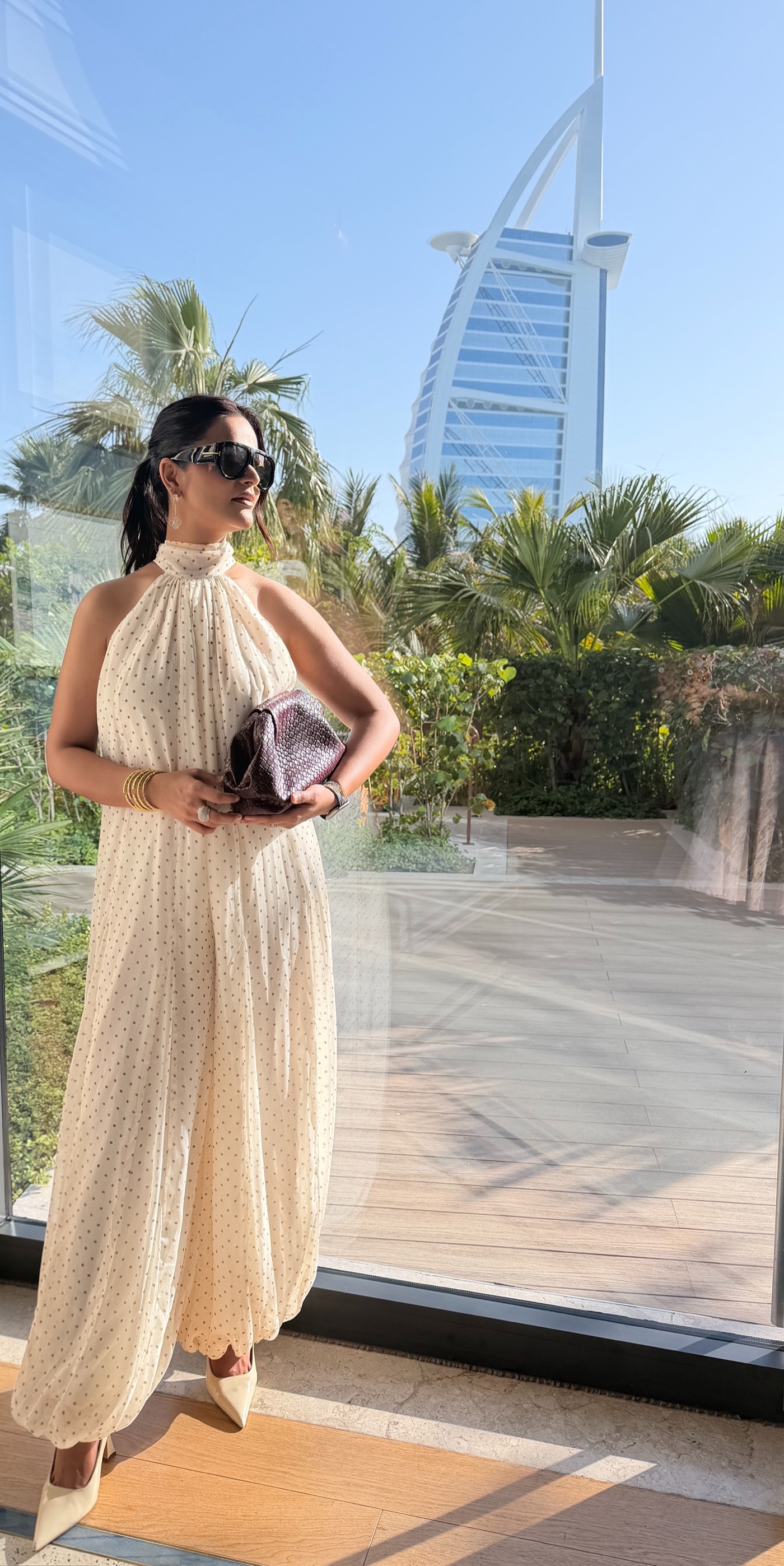
Quiet luxury is not about spending more. It comes down to three things: how the clothes fit, what they are made of, and how few colours you use. Get those right and a simple linen shirt reads more expensive than a logo covered jacket. In Dubai there is a fourth rule, which is heat, so natural fibres and easy cuts end up doing most of the work for you.
I shared an outfit on my Instagram recently that people kept asking about. It was a quiet luxury look, worn on a family holiday in England, and it was mostly high street. That is the point. Nobody could tell, because the pieces were plain, the colours matched, and the fit was right.
What actually makes an outfit look quiet luxury?
Fit comes first, and it is not close. A trouser that breaks cleanly on the shoe and a shoulder seam that sits where your shoulder ends will lift an entire outfit. Most of us are wearing clothes one size too big through the shoulder and too long in the leg, and that reads cheap no matter what we paid.
Second is fabric. Natural fibres hold their shape, take light differently, and age better. Polyester shines under Dubai's indoor lighting in a way that gives everything away.
Third is restraint. Two or three colours in one outfit, maximum. No visible branding. One good bag, one good watch or one good pair of earrings, not all three at once. If you like accessories, my guide to styling statement jewellery covers how to do one strong piece well.
Which fabrics survive Dubai heat and still look expensive?
Linen is the honest winner. It is loosely woven, so heat escapes, and it absorbs a lot of moisture before it feels damp. The trade off is creasing, which is why a linen and cotton blend is often the smarter buy in the UAE. The cotton gives the fabric memory so it crumples softly instead of collapsing.
Cotton voile, poplin and fine muslin all work for shirts and dresses. Lightweight silk drapes beautifully for evening, but heavy silk traps humidity and turns against you outdoors. For trousers, look for an open weave. Anything described as tropical weave or hopsack lets air move.
Colour matters for temperature too. Stone, sand, cream, soft grey and pale blue reflect heat and happen to be the exact palette this look is built on. My Dubai summer dressing guide goes deeper on surviving the months when nothing feels wearable.
Where do you shop for it in the UAE?
Massimo Dutti is the most reliable starting point for this aesthetic, with stores at Dubai Mall, Mall of the Emirates and Dubai Festival City. COS at Dubai Mall does clean, architectural basics. Zara is worth it only for the pieces in real linen or wool, so check the fabric label before you get excited.
For actual luxury without the retail price, the preloved market here is genuinely good. Retold has locations in Al Quoz, Al Ghurair Centre and JLT and mixes high street with designer. Garderobe has been doing pre-owned luxury in Dubai since 2010. The Luxury Closet is the biggest regional platform for authenticated designer resale. Buying an older, well made piece secondhand is the fastest route to this look.
Local and regional labels are worth your time too. I have written about where to find local fashion designers in Dubai, and many of them work in exactly these fabrics because they design for this climate.
Is tailoring worth it in Dubai?
It is the highest return money in your wardrobe, and it is cheap here. Hemming trousers or jeans usually runs around AED 20 to 60. Minor alterations in Satwa sit roughly in the AED 30 to 100 range, with more involved work on dresses and skirts going higher. Compare that to buying a new piece and it is not a close call.
My rule is simple. If something is 80 percent right, take it to a tailor. If it is only 60 percent right, leave it in the shop, because no tailor can fix a bad shoulder or a bad rise.
How do you keep it looking expensive over time?
Quiet luxury lives or dies on condition. Linen needs a real iron, not a quick steam. Anything cream goes into the wash before the mark sets, not after. Leather and suede suffer badly in this climate, and I go through exactly how I store mine in my post on caring for designer bags in Dubai's heat.
Buy fewer things, buy them in fabrics that behave, get them fitted, and keep them clean. That is the whole method. It is unglamorous and it works.
More from Aastha's fashion world: explore here.