Fashion
What should you wear in Dubai in summer?
In Dubai summer, dress light, loose and covered. Choose natural fabrics like linen, cotton and chiffon in pale colours, keep a scarf for over-cooled malls, and save swimwear for the beach. Covering up in the right fabric actually keeps you cooler.
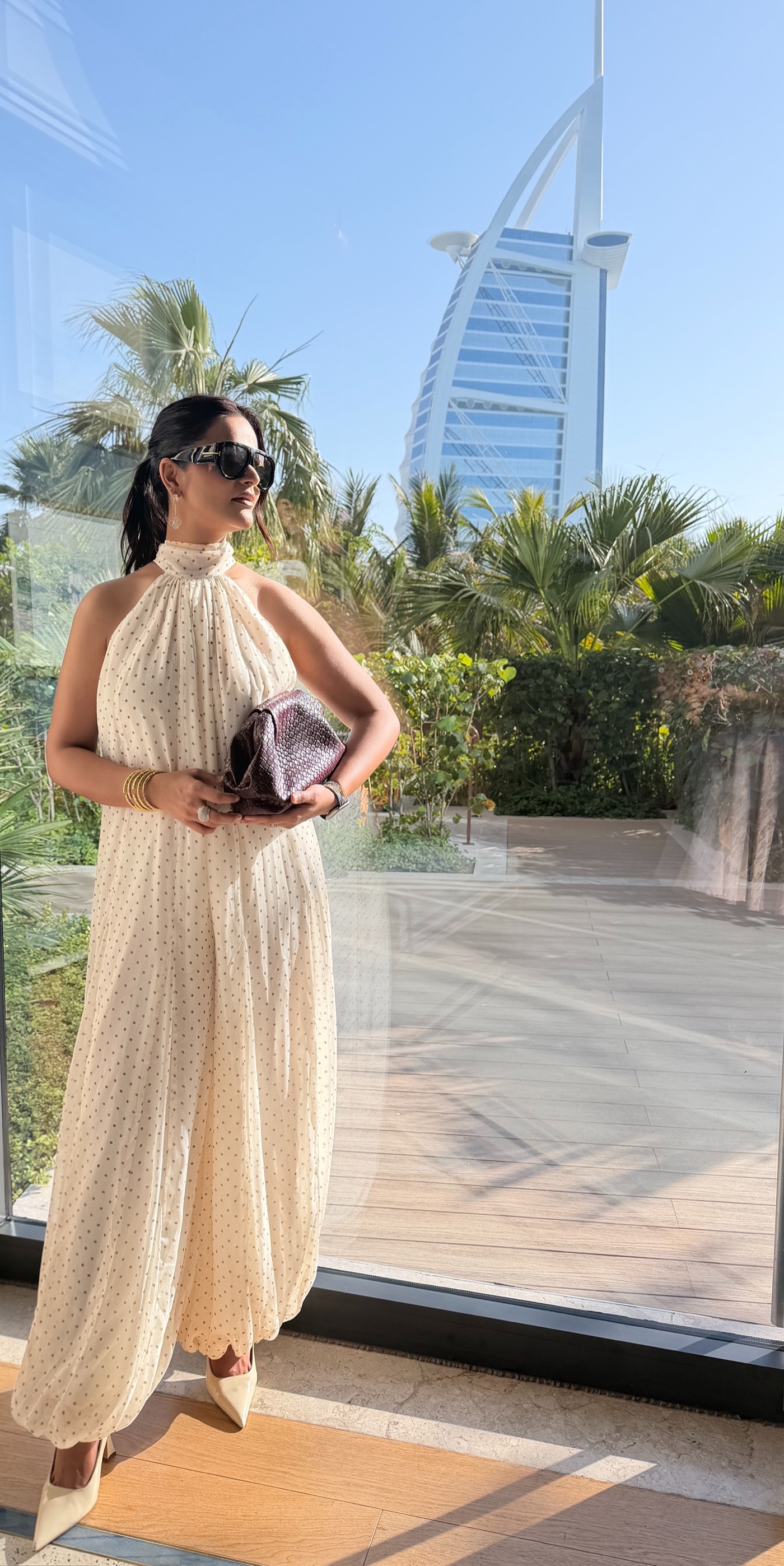
Dubai summer is its own kind of test. From June to September the temperature sits well above 40 degrees, the humidity makes it feel hotter still, and you spend the day bouncing between brutal sun and fiercely air-conditioned rooms. After years of dressing for it, I can tell you the secret is not wearing as little as possible. It is dressing light, loose and covered, in the right fabrics. Done well, you stay cool, comfortable and appropriate everywhere you go.
What fabrics keep you cool in Dubai's heat?
Natural, loose-weave fabrics win every time. Linen is the gold standard, because its hollow fibres let air move freely and pull moisture off your skin. Cotton is soft and breathable, and flowing chiffon, georgette and modal all work beautifully for dresses and abayas. What you want to avoid is tight synthetics like polyester and nylon, which trap heat and sweat against the skin.
Colour matters almost as much as fabric. Light shades, white, cream, beige and soft pastels reflect sunlight, while black and dark tones absorb it and hold the heat. If you love a black abaya, choose a genuinely lightweight, breathable one and you will feel the difference.
Why does covering up actually keep you cooler?
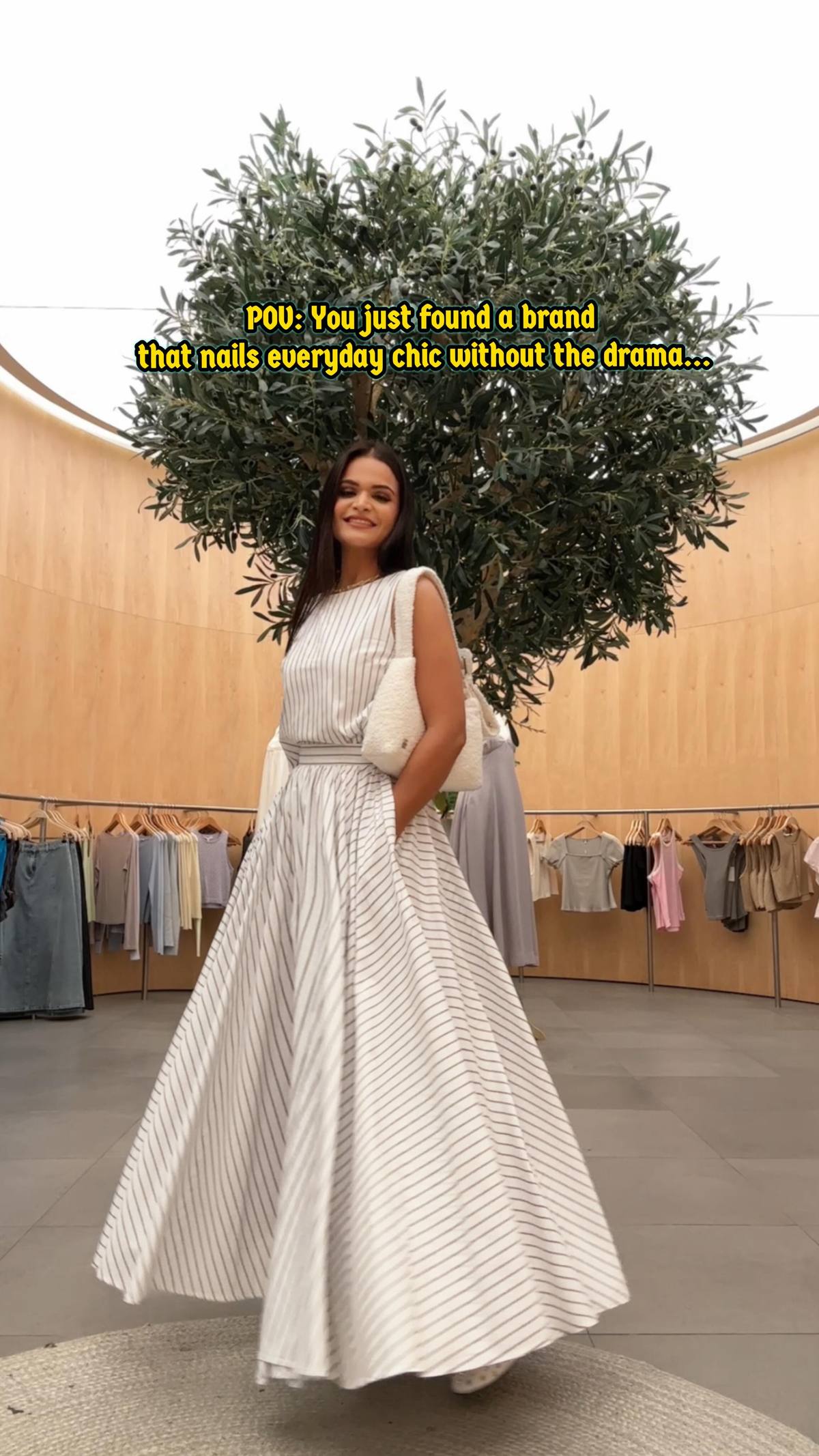
It feels backwards, but direct sun on bare skin is exactly what makes you feel like you are burning up. A loose linen kaftan, a flowing maxi dress or a light abaya shades your skin while letting air circulate underneath, which is precisely why Gulf dress evolved the way it did over centuries. The key word is loose. Anything that clings defeats the purpose, so size up and let the fabric float.
What should you actually wear, by occasion?
Here is how I think about a Dubai summer wardrobe in practice:
- Everyday and the mall: a linen dress or wide-leg trousers with a loose top, flat sandals and sunglasses. Easy, cool and covered enough for anywhere.
- Work: tailored but breathable. Linen-blend trousers, a relaxed blouse, and a light blazer you only put on inside the freezing office.
- Brunch or dinner: Dubai loves to dress up, so a floaty midi or maxi dress is perfect. Carry a wrap for the air conditioning.
- Beach club or pool: swimwear with a kaftan or cover-up. Save the swimsuit-only look for the sand and the loungers, not the walk there.
- Desert trip: long, light layers protect you best, with closed shoes for the sand and a scarf for blowing dust.
- Visiting a mosque: cover shoulders, arms and knees, and bring a scarf for your hair. Jumeirah Mosque, which welcomes visitors, will expect this.
What about shoes and accessories?
Flat sandals, espadrilles and comfortable slides beat anything that makes your feet sweat or swell in the heat. A wide-brimmed hat and proper sunglasses do more than finish a look, they protect you. And never underestimate a light scarf in your bag, which covers your shoulders in a souk, doubles as a wrap indoors, and saves you when you walk into a restaurant cooled to what feels like winter.
What should you not wear?
Skip heavy fabrics, tight clothing and anything you cannot move and breathe in. In malls, souks, mosques and government buildings, avoid very short hemlines and bare shoulders out of simple respect. And leave the all-black, structured outfits for the cooler months from November to March, when Dubai's weather is glorious and you can wear almost anything. My own summer uniform is the simplest version of all this: a pale linen dress, flat sandals, big sunglasses, a scarf in my bag. Comfortable, cool, and never out of place.
More from Aastha's fashion world: explore here.